

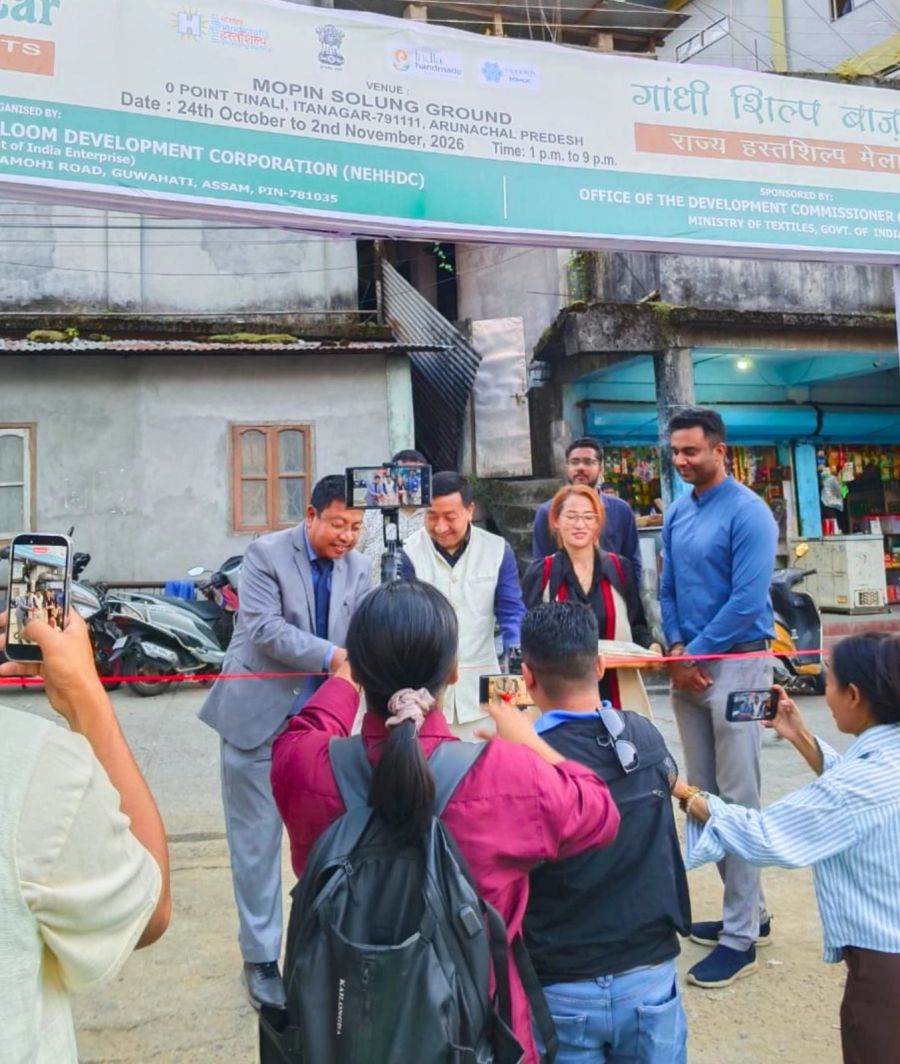
Itanagar, October 24, 2026: The vibrant colours of handwoven textiles, the intricate details of traditional handicrafts and the artistic traditions of Northeast India have come together at Gandhi Shilp Bazaar 2026, inaugurated at Mopin Solung Ground in Itanagar, Arunachal Pradesh, on Saturday.
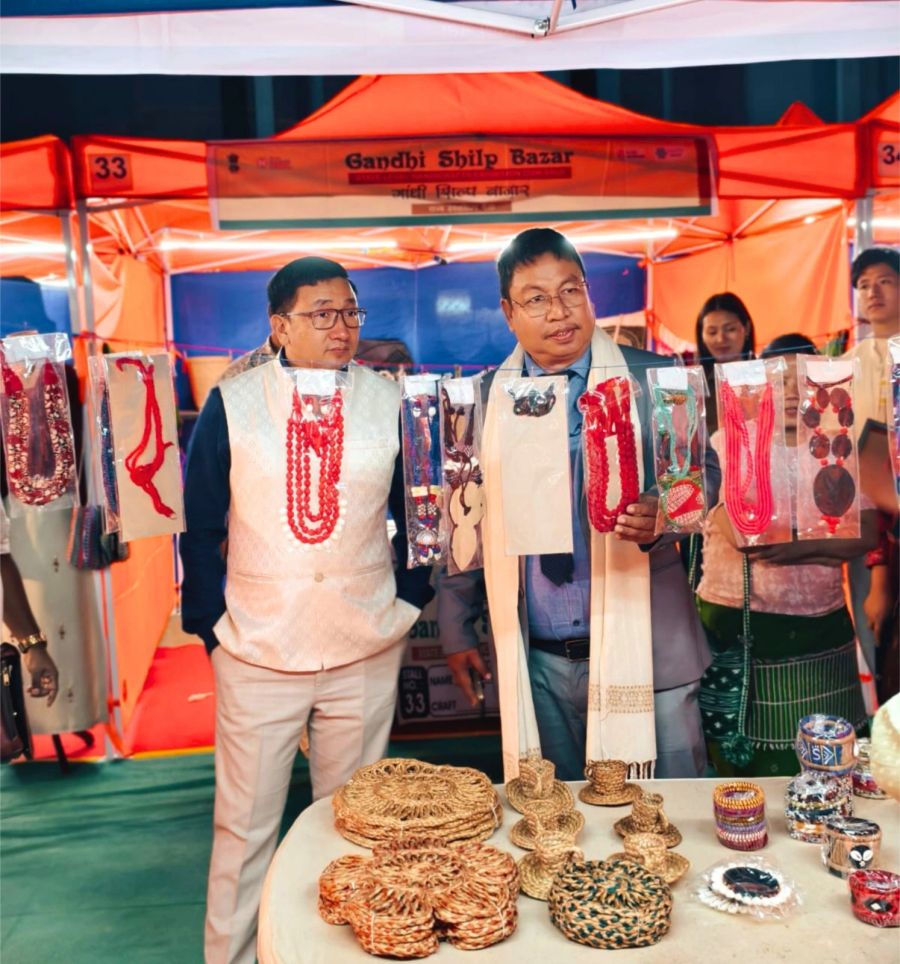
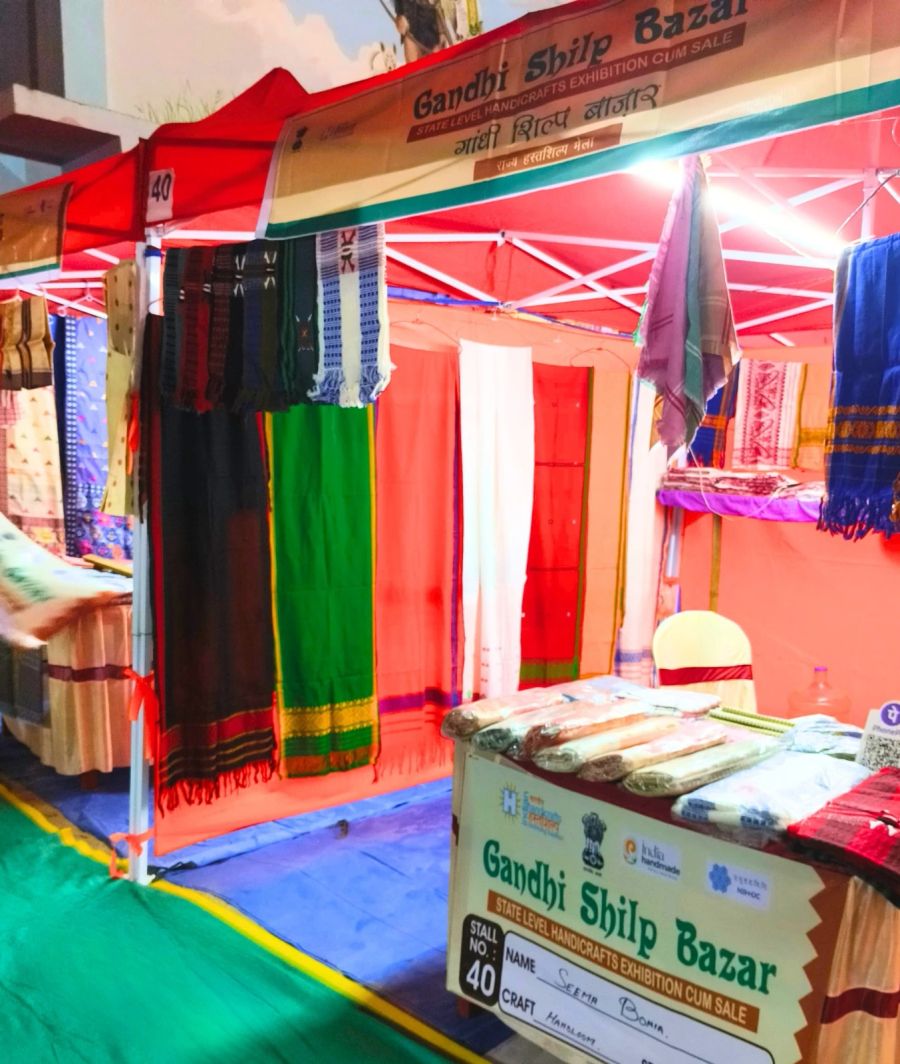
The ten-day handloom and handicraft exhibition, scheduled from October 24 to November 2, 2026, brings the region's traditional craftsmanship into the spotlight. With 56 stalls listed for the event, the exhibition provides a platform for artisans, weavers and craftspersons to showcase their handmade products and connect with a wider audience.
The event is organised by the North Eastern Handicrafts and Handlooms Development Corporation Ltd. (NEHHDC) in association with the Office of the Development Commissioner (Handicrafts), Ministry of Textiles, Government of India.
Beyond showcasing handmade products, Gandhi Shilp Bazaar 2026 aims to strengthen public appreciation of Northeast India's cultural heritage while creating opportunities for traditional artisans to reach potential buyers.
Gandhi Shilp Bazaar 2026 in Itanagar: Dates, Venue and Key Highlights
For visitors interested in exploring traditional handlooms and handicrafts of Northeast India, the exhibition offers an opportunity to discover the region's artistic traditions in one place.
Event details:
- Event Name: Gandhi Shilp Bazaar 2026
- Location: Itanagar, Arunachal Pradesh
- Venue: Mopin Solung Ground
- Starting Date: October 24, 2026
- Closing Date: November 2, 2026
- Duration: 10 days
- Number of Stalls: 56
- Organiser: North Eastern Handicrafts and Handlooms Development Corporation Ltd. (NEHHDC)
- Associated Organisation: Office of the Development Commissioner (Handicrafts), Ministry of Textiles, Government of India
- Major Focus: Traditional handloom, handicrafts, indigenous craftsmanship and artisan market opportunities
The exhibition is intended to bring traditional products closer to consumers while providing participating artisans with opportunities for greater visibility.
NEHHDC Inaugurates Gandhi Shilp Bazaar 2026 in Arunachal Pradesh
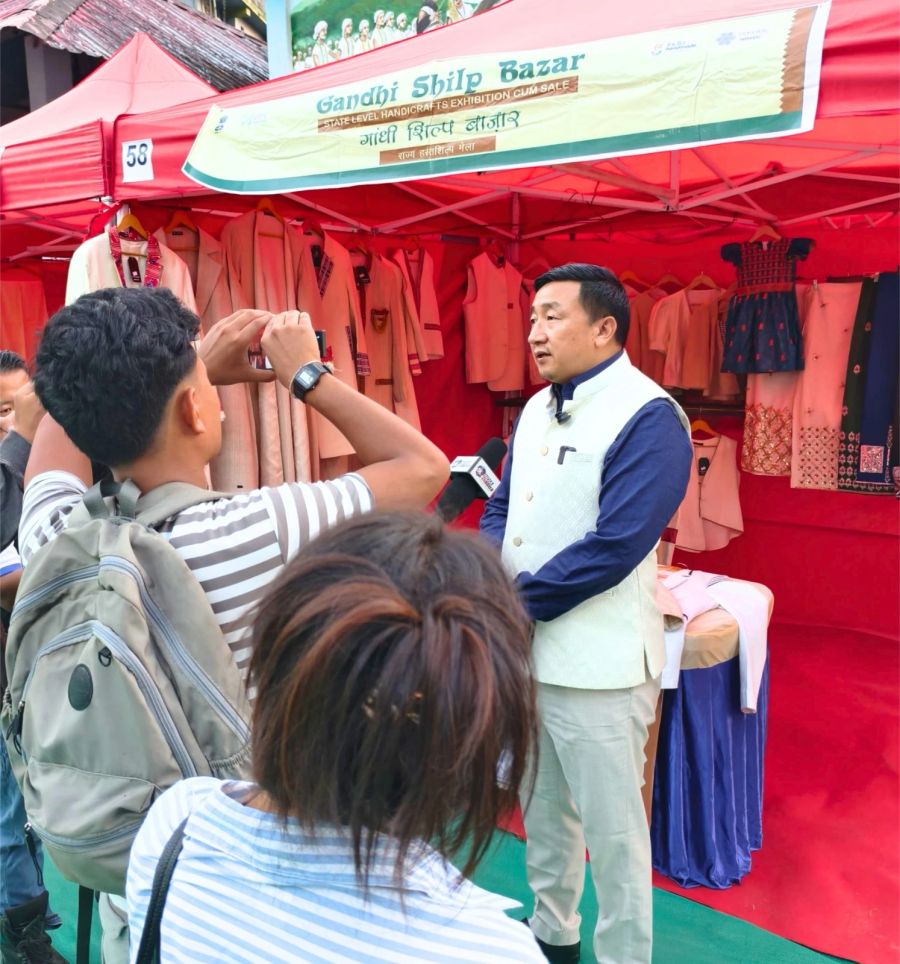
The inauguration of Gandhi Shilp Bazaar 2026 took place in the presence of Shri Mara Kocho, Managing Director of NEHHDC, and Shri Hara Kanta Baro, Regional Director (North Eastern Region), Office of the Development Commissioner (Handicrafts).
The Senior Assistant Director of the Handicrafts Service Centre, Itanagar, was also present during the inauguration.
The event reflects efforts to promote the handloom and handicraft sector in Northeast India by creating a common platform for traditional artisans and consumers.
Through this initiative, NEHHDC seeks to encourage greater awareness of indigenous craftsmanship while supporting opportunities for artisans to present their work beyond their immediate communities.
The Itanagar edition places particular emphasis on the cultural significance of traditional handmade products and the people whose skills continue to preserve them.
Celebrating the Rich Handloom and Handicraft Heritage of Northeast India
Northeast India is known for its remarkable diversity of traditional textiles, weaving practices, indigenous crafts and artistic expressions.
Across Arunachal Pradesh, Assam, Meghalaya, Nagaland, Manipur, Mizoram, Tripura and Sikkim, communities have developed distinctive craft traditions shaped by local resources, cultural practices and generations of inherited knowledge.
Traditional weaving, bamboo and cane craftsmanship, handmade textiles, woodcraft and other indigenous artistic practices form an important part of the region's cultural landscape.
These crafts are not merely decorative products. Many represent the histories, identities and everyday lives of the communities that create them.
For example, traditional textiles often carry patterns and motifs associated with particular communities, while bamboo and cane products reflect the use of locally available materials and established craftsmanship techniques.
The Gandhi Shilp Bazaar in Itanagar seeks to bring greater public attention to this living heritage.
By presenting handmade products in a shared exhibition space, the event creates opportunities for visitors to appreciate the artistic knowledge and practical skills involved in traditional craftsmanship.
Why Traditional Handloom and Handicrafts Matter to Arunachal Pradesh
Arunachal Pradesh has a rich heritage of indigenous weaving, textiles and handmade crafts.
Different communities across the state have developed distinctive weaving techniques, textile designs and artistic traditions that reflect their cultural identities.
Traditional handwoven garments and accessories often hold significance beyond their everyday use. Their colours, patterns and craftsmanship may be associated with community identity, customary practices and cultural occasions.
Similarly, bamboo and cane craftsmanship has long played a role in the production of household items, baskets and other functional objects.
These practices demonstrate how traditional knowledge can combine artistic expression with practical needs.
However, preserving traditional craftsmanship requires more than recognising its cultural importance.
Artisans also need opportunities to earn sustainable incomes, access markets and find consumers who appreciate handmade products.
Initiatives such as Gandhi Shilp Bazaar 2026 can help connect these cultural traditions with economic opportunities, encouraging their continuation across generations.
56 Stalls Provide a Platform for Traditional Artisans and Weavers
One of the major highlights of Gandhi Shilp Bazaar 2026 is the listing of 56 stalls for the Itanagar exhibition.
These stalls provide a platform for participating artisans and craftspersons to display their products and interact with visitors and potential buyers.
For traditional artisans, visibility is an important part of sustaining their work.
Many handmade products require considerable time, specialised knowledge and labour. Unlike mass-produced goods, traditional handicrafts often involve techniques that have been refined and passed down through generations.
Yet artisans may face challenges in reaching customers beyond local markets.
Handloom and handicraft exhibitions can help address this gap by creating direct opportunities for interaction between makers and buyers.
Visitors can gain a greater understanding of the craftsmanship behind handmade products, while artisans have an opportunity to present their creations to people who may not otherwise encounter their work.
Such interactions can also help build consumer appreciation for the effort, skill and cultural knowledge involved in traditional production.
Handmade Products vs Mass-Produced Goods: Why Craftsmanship Deserves Attention
In an era dominated by fast fashion, factory-made products and rapidly changing consumer trends, traditional handmade products offer a different perspective on production and consumption.
A handwoven textile or handcrafted object often reflects hours of work, careful material selection and techniques developed through years of practice.
Its value extends beyond appearance or immediate utility.
Handmade products can carry cultural meaning, represent specialised knowledge and connect buyers with the people who create them.
For consumers, choosing traditional handicrafts can also be a way to support artisan livelihoods and encourage the continuation of local craft traditions.
This does not mean every handmade product is automatically more sustainable than a mass-produced alternative. Environmental impact depends on materials, production methods, transportation and other factors.
However, greater awareness of traditional craftsmanship can encourage consumers to consider the people, processes and cultural knowledge behind the products they purchase.
Gandhi Shilp Bazaar 2026 offers visitors an opportunity to explore these connections while discovering the artistic diversity of Northeast India.
Preserving Northeast India's Cultural Identity Through Traditional Craftsmanship
The preservation of traditional handloom and handicraft practices is closely connected to the protection of cultural identity.
Across Northeast India, many craft traditions are transmitted through families and communities. Techniques, patterns and methods are learned through observation, practice and shared experience.
These skills form part of a living cultural heritage.
When traditional craftsmanship receives public recognition and market opportunities, it can encourage artisans to continue their work and create conditions in which younger generations may find value in learning these skills.
The challenge is to preserve the knowledge and cultural significance of traditional crafts while allowing artisans to adapt to changing consumer needs.
Exhibitions such as Gandhi Shilp Bazaar provide one possible avenue for achieving this balance.
They create spaces where traditional artistic practices can be appreciated by contemporary audiences without reducing their importance to commercial products alone.
For visitors, the exhibition is an opportunity to recognise that every handmade textile or crafted object may represent a much larger story of community, knowledge and cultural continuity.
How Gandhi Shilp Bazaar Can Support Local Artisans and Rural Livelihoods
The handloom and handicraft sectors are closely linked to livelihood opportunities for artisan communities across Northeast India.
Traditional weaving and craft production can contribute to household incomes, support small enterprises and provide opportunities for self-employment.
However, market access remains an important consideration for many artisans.
Participating in exhibitions can create opportunities to reach new customers, understand consumer preferences and establish relationships with potential buyers.
Direct interaction may also help artisans communicate the distinctive qualities of their products, including their materials, techniques and cultural significance.
Greater visibility can contribute to stronger recognition of traditional craftsmanship and potentially encourage demand for handmade products.
The long-term benefits depend on factors such as sales, continued market access, fair pricing and the ability of artisans to sustain production.
Through its focus on showcasing regional craftsmanship, Gandhi Shilp Bazaar 2026 seeks to contribute to these opportunities while celebrating the cultural importance of the sector.
Why Young People Should Explore Northeast India's Traditional Handicrafts
For younger generations, traditional craftsmanship offers an opportunity to understand the relationship between culture, creativity and identity.
Many young people encounter handmade textiles and indigenous crafts during festivals, family celebrations or cultural occasions. However, they may be less familiar with the techniques, skills and histories involved in producing them.
Visiting a handloom and handicraft exhibition can provide a closer look at these traditions.
It may also inspire students, designers, entrepreneurs and creative professionals to explore how indigenous artistic knowledge can inform contemporary design and business practices.
Traditional craftsmanship is not necessarily in conflict with modern creativity.
Handwoven textiles, regional motifs and indigenous production techniques can remain culturally significant while inspiring new forms of artistic expression.
The important consideration is that such innovation should respect the knowledge, identity and contributions of the communities from which these traditions originate.
By bringing artisans and consumers into a shared space, Gandhi Shilp Bazaar encourages greater awareness of the cultural value of handmade products.
Gandhi Shilp Bazaar 2026: A Cultural Experience for Visitors in Itanagar
For residents of Itanagar and visitors travelling to Arunachal Pradesh, Gandhi Shilp Bazaar 2026 offers an opportunity to explore traditional craftsmanship from Northeast India.
The exhibition brings attention to the region's diverse artistic practices and provides a setting where visitors can discover handmade products while learning more about their cultural significance.
Visitors interested in traditional textiles, indigenous handicrafts, regional art and local entrepreneurship may find the event particularly worthwhile.
Supporting artisans through direct purchases, where possible, can also contribute to greater recognition of their work.
Beyond shopping, the exhibition offers an opportunity to appreciate the creativity, patience and specialised skills involved in handmade production.
As the event continues until November 2, 2026, it provides a limited-period opportunity for people in and around Itanagar to engage with the region's traditional craft heritage.
Gandhi Shilp Bazaar 2026 Highlights the Future of Northeast India's Handloom and Handicraft Sector
Gandhi Shilp Bazaar 2026 is more than a display of traditional textiles and handicrafts. It represents an effort to bring cultural preservation, artisan visibility and market opportunities together.
With 56 stalls listed for the Itanagar edition, the ten-day event places the skills and creativity of traditional artisans at the centre of public attention.
The exhibition also highlights an important connection between cultural heritage and livelihoods.
Traditional crafts survive not only because communities value their histories but also because artisans continue to practise, develop and pass on their skills.
Providing opportunities for their work to reach wider audiences is therefore an important part of supporting the sector.
As Gandhi Shilp Bazaar continues at Mopin Solung Ground until November 2, it offers visitors a chance to appreciate Northeast India's artistic heritage and recognise the people who keep these traditions alive.
Every handwoven textile and handcrafted object reflects more than a finished product. Behind it lies the knowledge, effort and creativity of an artisan, along with a tradition that deserves recognition.