
There is something special about travelling alone to Dzukou Valley: the freedom to walk at your own pace, get lost in endless green landscapes, and enjoy the quiet without rushing anywhere. But before you pack your bags for this beautiful corner of the Nagaland–Manipur border, there is one practical question worth asking: Is Dzukou Valley safe for solo travellers, especially those visiting Nagaland for the first time? The answer depends on your route, weather conditions, preparation, and how well you plan your trek.
Yes, solo travellers can visit Dzukou Valley, but you must follow local trekking rules and arrange a registered local guide. The trail passes through steep sections, uneven terrain and areas where fog can reduce visibility. Weather conditions can change quickly, and mobile network coverage may be limited in the valley.
Whether you are travelling alone or planning a solo female trip, preparation matters. Understanding the current trekking regulations, choosing the right route and arranging transport in advance can make your experience more manageable.
This guide explains what solo travellers should know before trekking to Dzukou Valley, including local guide requirements, safety precautions, accommodation and the best way to plan the journey.
Is Dzukou Valley Safe for Solo Travellers?
Dzukou Valley can be visited by solo travellers who follow the established safety measures and plan their trek carefully. However, it is important to distinguish between travelling to the destination alone and trekking through the valley without assistance.
The Southern Angami Youth Organisation (SAYO) introduced safety rules requiring trekkers to engage SAYO-registered local guides from 1 October 2025. The announced rules also prohibit trekking after 3 PM. These measures followed incidents in which visitors became lost or stranded on the trail.
The valley reopened for trekking in February 2026 after a wildfire, with the local organisation reiterating the guide requirement and safety precautions.
Before travelling, check the latest rules and any temporary trail closures with local authorities or the registered guide organisation.
For solo visitors, the main considerations are:
- Local guidance: Arrange a registered guide before entering the valley.
- Trail conditions: Steep steps, slippery ground and fog can make navigation difficult.
- Timing: Start early and plan your ascent and descent around the applicable trekking cut-off.
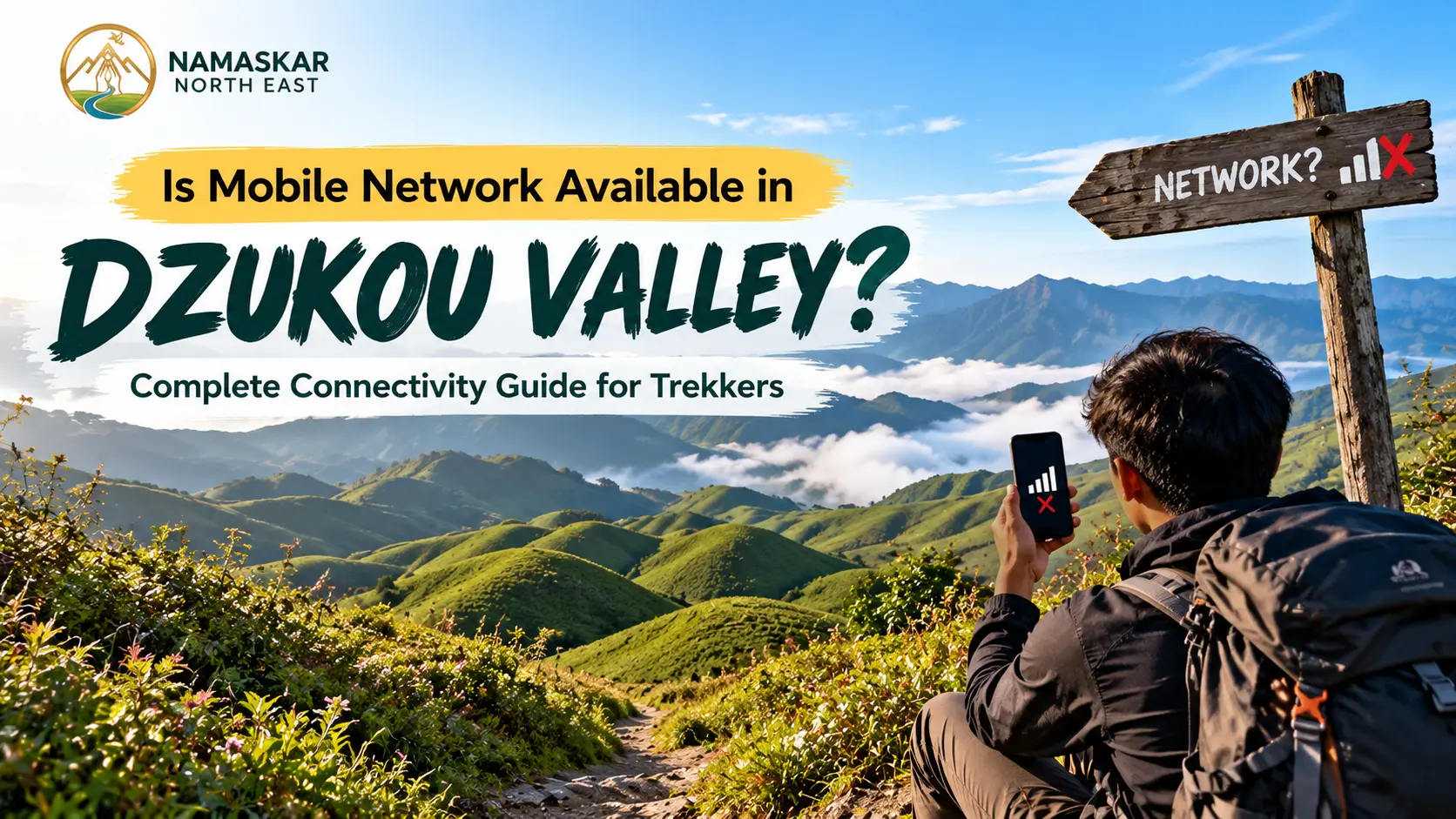
- Communication: Mobile network coverage may be unreliable, so do not depend on your phone for emergency communication.
- Transport: Confirm how you will reach the trailhead and return to your accommodation.
Following these precautions reduces avoidable risks, although no trek can be considered completely risk-free.
Is Dzukou Valley Safe for Solo Female Travellers?
Dzukou Valley can be an option for solo female travellers, provided they take the same trekking precautions and make suitable arrangements for transport, accommodation and local guidance.
Travelling alone does not mean you have to complete every part of the journey without support. You can travel independently to Kohima or a nearby village, arrange a registered guide and join other trekkers if a suitable group is available.
Here are some practical precautions for women travelling alone:
1. Arrange Your Guide Before Reaching the Trailhead
Contact a registered local guide or tour operator in advance. Confirm the meeting point, expected duration, charges and whether the guide will accompany you for a day trek or an overnight stay.
Avoid relying on finding a guide at the last minute, particularly during busy travel periods.
2. Choose Accommodation in Advance
Book your accommodation in Kohima or a nearby village before beginning the trek. If you intend to stay overnight in the valley, confirm the availability and arrangements for the designated trekkers' accommodation.
Ask your host about transport options and the best time to leave for the trailhead.
3. Share Your Itinerary
Tell a trusted person where you are staying, which route you plan to take and when you expect to return. Share your guide's contact details and agree on a time to check in before entering areas with limited mobile connectivity.
4. Avoid Trekking After the Permitted Cut-Off
Do not start late in the day or attempt to continue beyond the local trekking cut-off. Fog, rain and fading daylight can make an unfamiliar trail more difficult to navigate.
5. Trust Your Comfort Level
If you feel uncomfortable with a transport arrangement, accommodation option or trekking plan, pause and seek an alternative. You can also ask your guide whether other trekkers are travelling on the same route.
These measures are practical precautions rather than guarantees of safety. Check recent local advice before your trip, especially if you are travelling alone for the first time.
Is It Safe to Trek to Dzukou Valley Without a Guide?
No. Under the safety rules announced by SAYO, trekkers must be accompanied by a SAYO-registered local guide. Visitors should not plan to trek independently without one.
The guide requirement was introduced after incidents involving trekkers who became lost or stranded without assistance. Local guides can help with route navigation, trail conditions, timing and coordination with the communities responsible for managing access.
A guide is particularly useful if you are:
- Visiting Dzukou Valley for the first time.
- Trekking alone or without an experienced companion.
- Unfamiliar with the Viswema or Zakhama route.
- Planning an overnight stay.
- Travelling during the rainy season, when visibility and footing may be affected.
When booking, confirm that your guide is registered with the relevant local organisation. Do not assume that a general sightseeing guide automatically meets the trekking requirement.
Which Route Is Better for Solo Travellers: Viswema or Zakhama?
Dzukou Valley has two commonly used access routes on the Nagaland side: Viswema and Zakhama, also known as Jakhama. Both lead to the valley, but their terrain differs.
Viswema Route
The Viswema route includes a steep initial section, often involving a long staircase, followed by a more gradual walk along the ridge.
It may suit solo visitors who prefer a longer but more gradual approach after the initial climb. However, the steep section can be tiring, especially in wet weather.
Arrange transport to the correct trailhead and confirm the walking distance with your guide before starting.
Zakhama Route
The Zakhama route is generally described as shorter in some distance estimates but steeper overall.
It may appeal to trekkers who are comfortable with sustained uphill walking. However, a shorter trail is not necessarily an easier one, particularly if you have limited trekking experience.
Which Should You Choose?
For a first solo visit, discuss both routes with your registered guide and choose according to your fitness, weather conditions and available time. Neither route should be treated as risk-free, and the guide requirement applies regardless of your choice.
What Are the Main Safety Risks on the Dzukou Valley Trek?
Understanding the potential risks helps you prepare without becoming unnecessarily anxious about the journey.
1. Slippery Trails and Steep Steps
Rain can make stone steps, muddy sections and exposed roots slippery. Wear trekking shoes with good grip and avoid rushing, especially while descending.
2. Fog and Poor Visibility
Fog can make it harder to identify the correct trail and nearby landmarks. Stay with your guide and avoid walking ahead or separating from your group.
3. Sudden Weather Changes
Conditions in the hills can change quickly. Carry a waterproof jacket, warm layers and sufficient drinking water. If your guide advises postponing or stopping the trek because of unsafe conditions, follow that advice.
4. Limited Mobile Connectivity
Mobile coverage may be unreliable in the valley. Download any useful maps in advance, keep your phone charged and carry a power bank. Tell someone your itinerary before leaving areas with reliable connectivity.
5. Starting Too Late
Late starts can leave trekkers with insufficient daylight or cause them to miss the permitted trekking cut-off. Start early enough to account for breaks, weather delays and the return journey.
6. Inadequate Food and Water
Do not assume that drinking water, food or other supplies will be available whenever you need them. Carry enough for your planned trek and confirm available facilities with your guide.
Essential Safety Tips for Solo Travellers
Before leaving for Dzukou Valley, use this checklist to prepare for the trek.
- Book a SAYO-registered local guide.
- Confirm current trekking rules and permitted timings.
- Check weather forecasts and trail conditions.
- Arrange transport to and from the trailhead.
- Share your itinerary and guide details with someone you trust.
- Carry drinking water, snacks, and a basic first-aid kit.
- Wear trekking shoes with good grip.
- Pack a rain jacket and warm clothing.
- Carry a charged phone and power bank.
- Download offline maps and save important contact numbers.
- Confirm accommodation if you plan to stay overnight.
- Avoid continuing if weather or trail conditions become unsafe.
Keep your backpack light enough for several hours of uphill walking. If you are not accustomed to trekking, practise walking on slopes and uneven ground before your trip.
Is It Safe to Stay Overnight in Dzukou Valley Alone?
An overnight visit is possible to plan as a solo traveller, but arrange your guide and accommodation before setting out.
Confirm the current availability of the designated trekkers' accommodation or campsite, what facilities are provided and whether you need to carry your own sleeping equipment, food or other supplies.
Do not assume that the valley offers the same facilities as a hotel. Electricity and mobile connectivity may be limited, and temperatures can drop at night.
If you are uncomfortable staying overnight without a companion, ask your guide or tour operator whether other trekkers are travelling on the same dates. A suitable shared itinerary can allow you to retain the flexibility of solo travel while having company during the trek.
For a first visit, plan your accommodation and return arrangements in advance rather than making decisions after reaching the valley.
What Should You Know Before Travelling to Dzukou Valley?
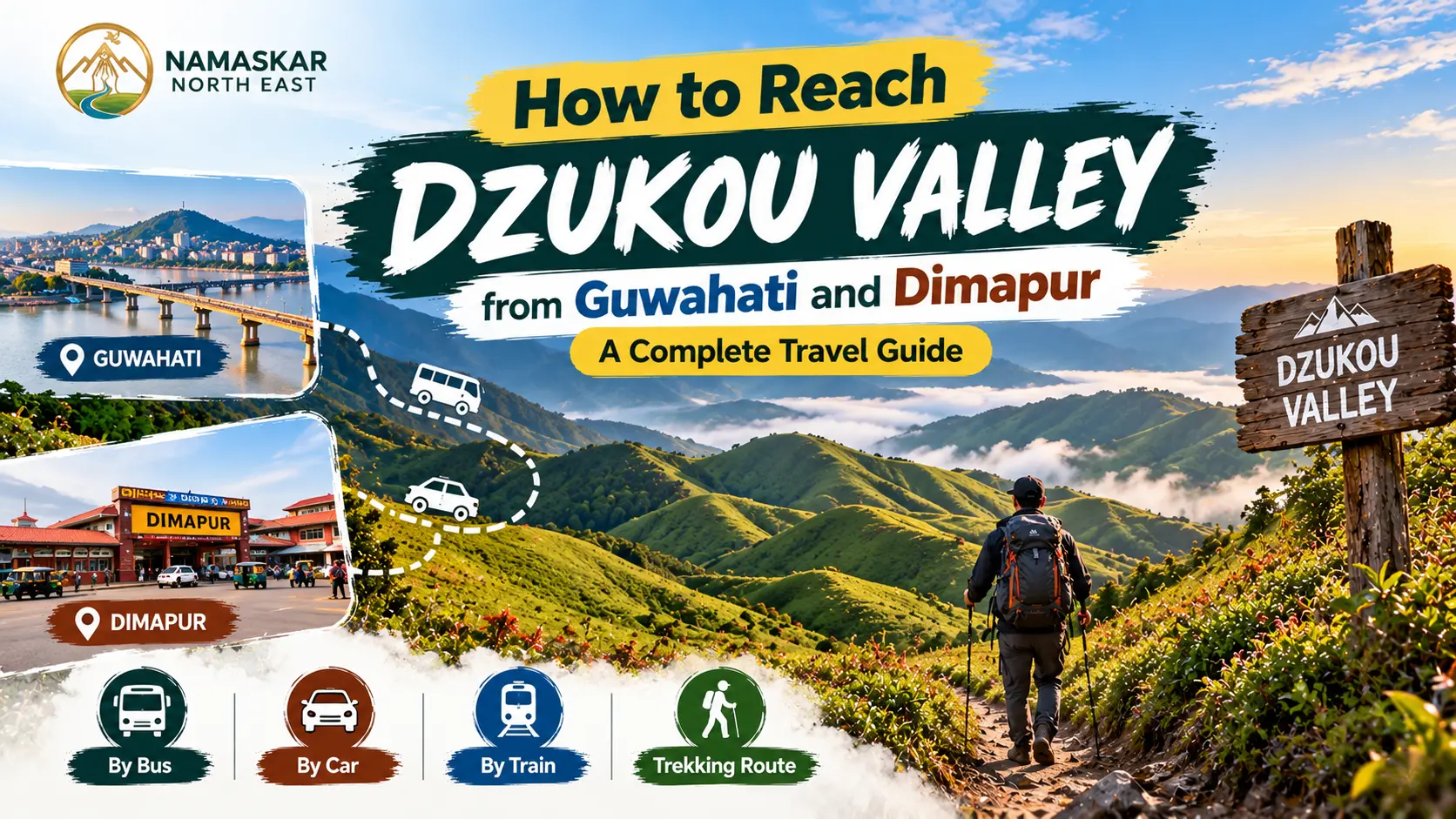
Most visitors approach the Nagaland side of Dzukou Valley through Kohima and nearby villages. Your exact travel arrangements depend on your route, accommodation and trekking plan.
Before leaving, confirm:
- Entry and access requirements: Ask the relevant local authorities about current permissions, fees and entry arrangements.
- Registered guide availability: Book in advance and verify the guide's registration.
- Transport: Confirm pickup times, trailhead access and return arrangements.
- Weather: Check for heavy rain, fog, trail restrictions or temporary closures.
- Accommodation: Arrange a suitable stay in advance, especially during busy travel periods.
- Emergency contacts: Save the latest local guide and tourism contact details.
Nagaland Tourism lists a Dzukou Valley guide contact at 9862101255 on its official contact page. Confirm the number and current arrangements before relying on it.
You can check official information through the Nagaland Tourism website and the Incredible India Dzukou Valley guide.
Final Words
So, is the Dzukou Valley trek safe for solo travellers? It can be a rewarding destination for independent travellers who prepare carefully, follow local rules and trek with a registered guide.
The most important steps are to book your guide in advance, start early, check the weather, arrange reliable transport and carry the essentials for the trail. Solo female travellers should also plan accommodation and share their itinerary with a trusted contact.
Dzukou Valley's landscapes make the effort worthwhile, but safety should always take priority over completing the trek on a particular day. Check current local advice before setting out, follow your guide's instructions and be prepared to change your plans if conditions become unsafe