
Tucked away in Northeast India, Meghalaya — literally "the abode of clouds" — is a land of misty canyons, crystal-clear rivers, thundering waterfalls, and bridges grown from living tree roots. If you have one week to spare, this 7-day Meghalaya itinerary takes you through the very best of the state: the colonial charm of Shillong, the rain-soaked cliffs of Cherrapunji (Sohra), Asia's cleanest village, Mawlynnong, and the glass-like waters of Dawki.
Whether you're a backpacker, a couple on a honeymoon, or a family looking for an offbeat escape, this Meghalaya trip plan is designed to be practical, flexible, and packed with experiences you won't find anywhere else in India.
Quick Overview: Here's Your 7-Day Meghalaya Itinerary at a Glance
Planning can feel overwhelming, but don't worry—we've mapped out the perfect 7-Day Meghalaya Itinerary for you. From the charming streets of Shillong and the breathtaking waterfalls of Cherrapunji to the crystal-clear waters of Dawki and the peaceful lanes of Mawlynnong, this itinerary covers the state's biggest highlights without making your trip feel rushed.
How to Reach Meghalaya
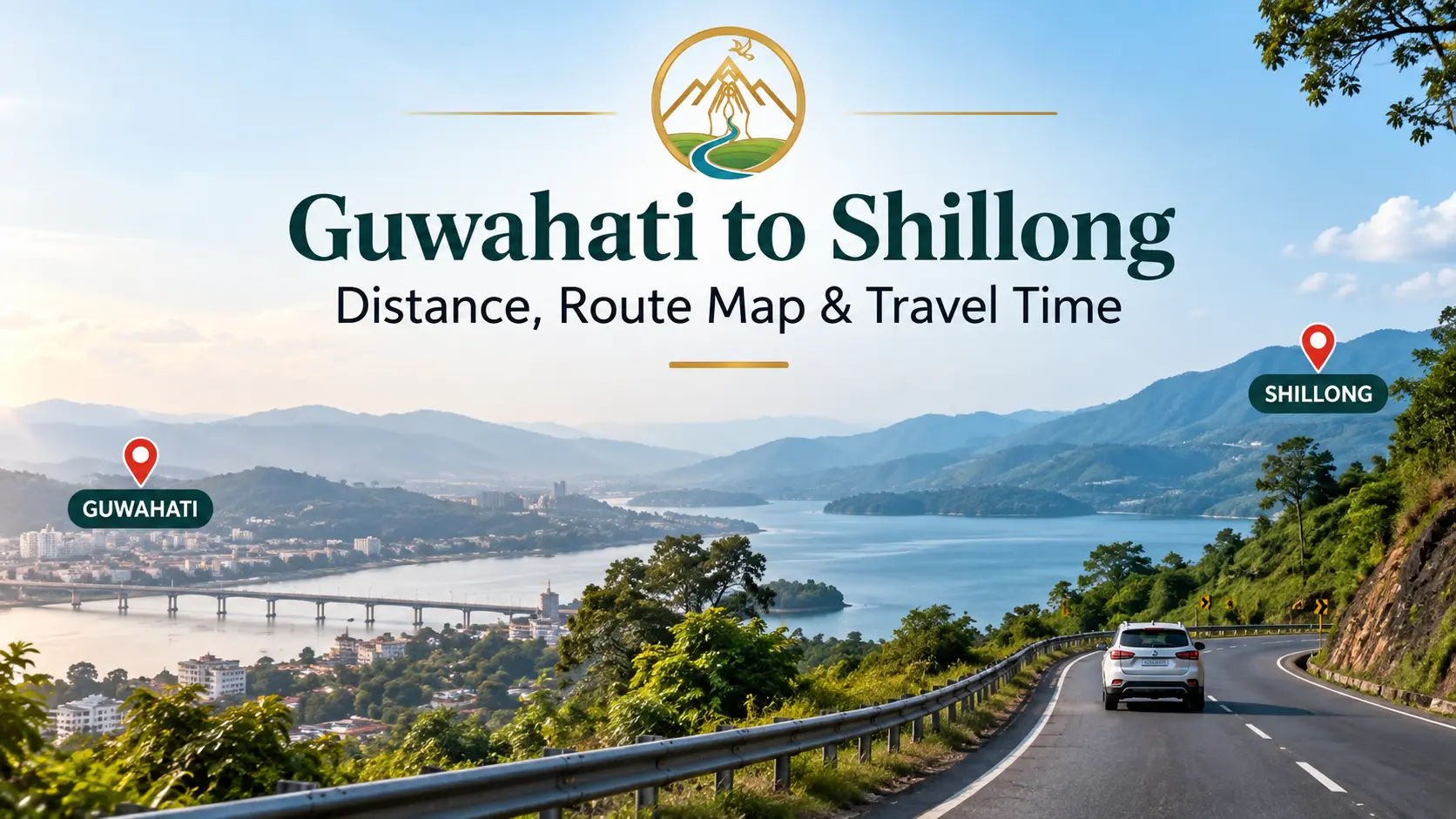
The most common gateway to Meghalaya is Guwahati (Assam), which has the region's largest airport (Lokpriya Gopinath Bordoloi International Airport) and railway station. From Guwahati, Shillong is about 100 km — roughly a 3-hour drive via shared sumo, private cab, or helicopter service.
Shillong also has a small airport at Umroi (about 30 km from the city) with limited flights from Kolkata and a few other cities, but Guwahati offers far better connectivity and prices.
Pro tip: Book a private cab for the whole week (₹3,000–4,500/day for a sedan or SUV) if you're traveling as a group. Public transport within Meghalaya is limited, and shared taxis don't run to many tourist spots.
Best Time to Visit Meghalaya
- October to April (best): Clear skies, pleasant weather (10–24°C), and the Umngot River at Dawki is at its transparent best from November to February.
- May to September (monsoon): Cherrapunji and Mawsynram receive some of the highest rainfall on Earth. Waterfalls are at full fury, and the landscape is impossibly green, but treks get slippery, and river activities at Dawki shut down.
If you want the classic "boat floating on glass" photo at Dawki, plan your Meghalaya trip between November and March.
Day 1: Arrive in Shillong — The Scotland of the East
Ready? Let's begin your 7-Day Meghalaya Itinerary! Over the next seven days, you'll discover misty hills, stunning waterfalls, charming villages, delicious local food, and unforgettable experiences that will make you fall in love with Meghalaya.
Try to catch an early morning flight to Guwahati. Trust me, you'll want to reach Shillong before sunset because the drive itself is incredibly beautiful. En route, stop briefly at Umiam Lake viewpoint for your first taste of Meghalaya's scenery (you'll get a longer stop on Day 3 if you prefer).
Once in Shillong, check in and spend the evening easing into the city's laid-back rhythm:
- Ward's Lake: A horseshoe-shaped lake in the heart of town with a wooden bridge and manicured gardens — perfect for a relaxed stroll.
- Police Bazar: Shillong's buzzing commercial hub. Try street food like momos, jadoh (Khasi rice and meat dish), and tungrymbai.
- Café hopping: Shillong has a thriving café and music culture. Café Shillong, Dylan's Café (a tribute to Bob Dylan), and ML05 Café are local favorites.
Overnight: Shillong
Local Tip
Skip the big restaurant chains for your first meal in Shillong. Walk a little away from Police Bazar and try a small Khasi eatery. You'll enjoy authentic dishes like Jadoh, Dohneiiong, and Tungrymbai at half the price of tourist cafés, while getting a real taste of local cuisine.
Day 2: Explore Shillong — Canyons, Falls, and Viewpoints
Start early, because today packs in Shillong's best sights:
- Laitlum Canyon (top pick): About 45 minutes from the city, Laitlum ("end of hills") offers jaw-dropping views of gorges plunging into cloud-filled valleys. Go early morning for the best visibility.
- Shillong Peak: The highest point in the city (1,965 m) with panoramic views. Note: it's inside an Air Force station, so carry photo ID.
- Elephant Falls: A three-tiered waterfall just outside the city — easy stairs, very photogenic.
- Don Bosco Museum: One of Northeast India's finest museums, covering the culture of all seven sister states. The rooftop skywalk offers a 360° view of Shillong.
- Cathedral of Mary Help of Christians: A striking blue Gothic-style church worth a quick stop.
Best Sunrise Spot
If the weather is clear, head to Laitlum Canyon before 8 AM. Morning is when the clouds slowly drift through the valley, creating breathtaking views. By afternoon, fog often covers the canyon, making it difficult to enjoy the scenery.
Day 3: Shillong to Cherrapunji (Sohra) — Waterfall Country
Check out after breakfast and drive to Cherrapunji (approx. 2.5 hours), stopping at these gems along the way:
- Umiam Lake (Barapani): A vast man-made reservoir surrounded by pine hills. Options include kayaking, boating, and lakeside photography.
- Mawkdok Dympep Valley Viewpoint: The dramatic gateway to Sohra, with a zipline for adventure seekers.
- Wah Kaba Falls: A quick roadside stop with a beautiful cascade.
After reaching Cherrapunji:
- Nohkalikai Falls: India's tallest plunge waterfall (approx. 340 m), dropping into a turquoise pool. The viewpoint is spectacular on a clear day.
- Seven Sisters Falls (Nohsngithiang): A seven-segmented waterfall best viewed during or just after the monsoon.
- Mawsmai Cave: A short, well-lit limestone cave you can walk through — great for first-time cavers.
- Arwah Cave (optional): Less crowded, with fossils embedded in the limestone walls.
Overnight: Cherrapunji
Best Photo Spot
For the best picture of Nohkalikai Falls, don't stop at the first viewpoint where everyone gathers. Walk towards the left-side railing to capture a wider angle with fewer people in the frame. If you're lucky enough to visit after the monsoon, you'll also see the waterfall at its most powerful.
Day 4: Trek to the Double Decker Living Root Bridge
Ask anyone who's been to Meghalaya about their favorite memory, and chances are they'll mention this day. The highlight of every 7-Day Meghalaya Itinerary is the unforgettable trek to the Double Decker Living Root Bridge, where nature and human ingenuity come together most remarkably.
If there's one day you'll remember for years, it's this one. Today, your 7-Day Meghalaya Itinerary takes you to Meghalaya's most famous attraction—the Double Decker Living Root Bridge.
What to expect:
- The trek starts from Tyrna village (about 30 minutes from Cherrapunji).
- Roughly 3,500 steps down (and back up!) through jungle, wire suspension bridges, and betel nut plantations.
- Total trek: 6–7 km round trip, 4–6 hours depending on your pace.
- The Double Decker Bridge (Jingkieng Nongriat) is a two-tiered bridge grown over 150+ years from the roots of rubber fig trees — a UNESCO-recognized marvel of living architecture.
If you have energy left, continue 30–45 minutes beyond Nongriat to Rainbow Falls, a stunning blue plunge pool that many travelers rate above the bridge itself.
Tips for the trek:
- Start by 8 AM to avoid trekking back in the dark.
- Carry water, snacks, and wear good grip shoes.
- Hire a local guide (₹500–1,000) — it supports the community and enriches the experience.
- Not up for the full trek? Visit the smaller Ummunoi root bridge or the root bridges near Mawlynnong instead.
Overnight: Cherrapunji (or stay in a Nongriat homestay for a truly offbeat night)
Trekker's Secret
Carry a small towel and an extra T-shirt for the Double Decker Living Root Bridge trek. The climb back up is much tougher than the descent, and many local homestays in Nongriat allow you to freshen up before returning. If your schedule allows, spend a night in Nongriat—the peaceful evening atmosphere is something most day-trippers never experience.
Day 5: Mawlynnong and Dawki — Asia's Cleanest Village and India's Clearest River
Drive from Cherrapunji toward the Bangladesh border (approx. 2.5–3 hours):
- Mawlynnong Village: Crowned "Asia's cleanest village," Mawlynnong is a living example of community-led sustainability. Walk its flower-lined lanes, climb the bamboo Sky View tower for a glimpse of the Bangladesh plains, and eat a home-cooked Khasi lunch.
- Riwai Living Root Bridge: Just 10 minutes from Mawlynnong, this single-span root bridge requires only a short walk — ideal if you skipped the Nongriat trek.
- Dawki and the Umngot River: Continue to Dawki, famous for water so clear that boats appear to float on air (best November–March). Take a traditional boat ride (₹500–800 per boat) and watch the riverbed glide beneath you.
- Shnongpdeng (recommended overnight): A village 8 km from Dawki with riverside camps, kayaking, snorkeling, scuba, and cliff jumping. Sleeping in a tent beside the glowing Umngot is a Meghalaya memory that lasts.
Overnight: Shnongpdeng riverside camp (or Dawki)
Hidden Gem
Most visitors head back immediately after boating on the Umngot River, but the real magic begins once the crowds leave. Stay overnight in Shnongpdeng and wake up early to watch the morning mist float over the crystal-clear river. You'll have the river almost entirely to yourself, making it one of the most peaceful experiences in Meghalaya.
Day 6: Krang Suri Falls or Sacred Forest, Return to Shillong
Choose your own adventure on the drive back to Shillong:
Option A — Krang Suri Falls (Jaintia Hills): A detour east brings you to one of Meghalaya's most beautiful waterfalls, plunging into an unreal blue-green pool. You can swim here (life jackets available on rent). Approx. 2 hours from Dawki.
Option B — Mawphlang Sacred Forest: An ancient grove protected by Khasi tradition for centuries. Take a guided walk to learn about sacred monoliths, medicinal plants, and the local belief that nothing — not even a leaf — may be taken from the forest.
Reach Shillong by evening. Celebrate your last night with dinner at a local restaurant — try smoked pork, dohneiiong (pork with black sesame), or a hearty Khasi thali.
Local Secret
If you choose to visit the Mawphlang Sacred Forest, remember one important rule—don't take anything out of the forest, not even a fallen leaf or a small stone. Locals believe the forest is sacred, and respecting this tradition is part of experiencing Meghalaya's rich Khasi culture.
Day 7: Shopping and Departure
Depending on your flight time:
- Browse Police Bazar and Iewduh (Bara Bazar) — one of the oldest and largest traditional markets in the Northeast — for handwoven shawls, cane and bamboo crafts, local spices, and Meghalaya's famous pineapples and Sohra oranges (in season).
- Grab a final breakfast at a Shillong café, then drive back to Guwahati (3 hours) for your onward flight or train.
Shopping Tip
Before leaving Shillong, visit Iewduh (Bara Bazar) instead of buying souvenirs from tourist shops in Police Bazar. You'll find authentic Khasi spices, locally made bamboo handicrafts, handwoven shawls, and fresh local honey at much better prices. Don't hesitate to bargain politely—it's common practice in the market.
Meghalaya Trip Budget (Per Person, 7 Days)
Prices are indicative and vary by season and group size.
Essential Travel Tips for Meghalaya
- Carry cash. ATMs are scarce outside Shillong, and most homestays, camps, and boat operators don't accept cards or UPI reliably.
- Start days early. Fog rolls in by afternoon, and most attractions close by 4:30–5 PM. Sunset in the Northeast is early (around 5 PM in winter).
- Network coverage is patchy. Download offline maps; Jio and Airtel work best in towns.
- Respect local customs. Meghalaya is a matrilineal society with strong community traditions. Ask before photographing people, and never litter — especially in Mawlynnong.
- Pack layers and rain protection. Even in the dry season, evenings are chilly and a drizzle is never far away in Sohra.
- No permits needed for Indian tourists. Foreign nationals don't need a permit for Meghalaya either, but must carry their passport; registration may be required at certain checkpoints. For convenience, travelers can utilize the Meghalaya Virtual ILP Tourist Registration System.
What to Pack for Your 7-Day Meghalaya Itinerary
Packing wisely can make your trip much more comfortable, especially since Meghalaya's weather can change quickly. Here's a quick checklist of essentials:
- Comfortable trekking shoes for root bridge treks, caves, and waterfalls.
- Rain jacket or poncho as sudden showers are common throughout the year.
- Power bank to keep your phone charged during long sightseeing days.
- Basic first-aid kit with essential medicines and band-aids.
- Offline Google Maps for areas with weak mobile network.
- Cash for local markets, homestays, and small eateries where digital payments may not work.
- Light woollen jacket (especially from November to February) for chilly mornings and evenings.
- Sunglasses and sunscreen to stay protected on sunny days.
- Waterproof phone pouch to protect your phone during boating and rainy weather.
- Reusable water bottle and a small daypack for treks and day trips.
Pro Tip: Pack light and choose comfortable clothing. You'll spend more time exploring Meghalaya's beautiful landscapes than sitting in your hotel, so practical gear is always the best choice.
Absolutely. For an SEO travel article, a clean, professional style works much better than emojis. Here's the revised version:
Things Most Tourists Don't Know About Meghalaya
Even if you've planned your trip well, there are a few local insights that most first-time visitors only discover after they arrive. Knowing these beforehand can help you enjoy a smoother and more memorable journey.
- Shillong traffic can be surprisingly busy, especially between 4 PM and 7 PM. Start your sightseeing early to avoid spending time in traffic.
- Most cafés in Shillong open after 9 AM, so plan your breakfast accordingly if you're hoping to visit popular cafés.
- Petrol pumps become scarce after Sohra (Cherrapunji). Fill up your vehicle before heading towards Dawki, Shnongpdeng, or other remote areas.
- Mobile network coverage can be patchy outside major towns. Download offline maps before starting your journey.
- Carry enough cash and small currency notes. Many local shops, cafés, and boat operators may not accept digital payments or have change for large denominations.
- Sunsets happen much earlier than in most parts of India, especially during winter. Plan your sightseeing so you don't miss major attractions.
- Visit Dawki early in the morning for the clearest views of the Umngot River and a quieter boating experience before the crowds arrive.
- Stay in a local homestay whenever possible. Besides being budget-friendly, they offer authentic Khasi hospitality and delicious home-cooked meals.
- Respect local traditions and keep the surroundings clean. Meghalaya's villages take immense pride in their cleanliness, and responsible tourism helps preserve their beauty.
Local Insight: Meghalaya is best experienced at a relaxed pace. Some of the most memorable moments come from sipping tea at a roadside stall, chatting with locals, or simply enjoying the peaceful mountain views rather than rushing from one attraction to the next.
Common Mistakes to Avoid During Your 7-Day Meghalaya Itinerary
A little planning goes a long way. Avoid these common mistakes to enjoy a smooth and memorable 7-Day Meghalaya Itinerary.
- Don't try to cover too much. Focus on Shillong, Cherrapunji, Dawki, and Mawlynnong instead of rushing through multiple destinations.
- Start the Nongriat trek early. Begin before 8 AM to avoid the afternoon climb and enjoy the bridge without the crowds.
- Don't skip Shnongpdeng. Staying overnight offers a much better experience than a quick visit to Dawki.
- Carry some cash. UPI works in towns, but many remote places still prefer cash.
- Be prepared for changing weather. Keep a rain jacket or poncho handy, even during winter.
- Wear proper trekking shoes. Good grip is essential for waterfalls, caves, and root bridge treks.
- Respect local culture. Avoid littering, ask before taking photos, and follow local customs.
- Slow down and enjoy. Meghalaya is best experienced at a relaxed pace rather than rushing from one attraction to another.
Pro Tip: The best memories in Meghalaya often come from the unplanned moments—a roadside tea break, a quiet viewpoint, or a conversation with the locals.
Final Thoughts
Meghalaya isn't the kind of place you simply visit—it stays with you long after you've returned home. From walking across living root bridges and watching clouds drift through deep valleys to boating on the crystal-clear Umngot River, every day offers a new memory. If you're planning your first trip to Northeast India, this 7-Day Meghalaya Itinerary gives you the perfect balance of adventure, nature, local culture, and relaxation. Save this guide, share it with your travel partner, and get ready to explore one of India's most beautiful states.
If you are looking for assistance with your arrangements, you can browse various Meghalaya tour packages to help plan your trip.
Ready to go? Book your Guwahati flights, reserve your Shnongpdeng riverside camp early (they fill up fast in peak season), and pack your walking shoes — those 3,500 steps aren't going to climb themselves.