
Every December, as winter settles over the hills of Nagaland, Kisama Heritage Village comes alive with the rhythmic beat of log drums, traditional war chants, vibrant dances, and the aroma of indigenous cuisine. For ten days, this cultural complex near Kohima transforms into the centre of one of India's largest and most authentic tribal festivals—the Hornbill Festival. Yes, you read it right, we are gonna answer all of your queries regarding “what is Hornbill festival” and the other aspects related to it.
Often called the "Festival of Festivals," the Hornbill Festival is more than a tourist attraction. It is a state-supported initiative to preserve, celebrate, and showcase the living traditions of Nagaland's indigenous communities while creating opportunities for cultural exchange and sustainable tourism.
Whether you're planning a trip to Nagaland or simply curious about its rich tribal heritage, understanding the Hornbill Festival offers a glimpse into one of India's most culturally diverse regions.
What is the Hornbill Festival?
The Hornbill Festival is Nagaland's flagship cultural festival, organized annually by the Government of Nagaland through the Department of Tourism and the Department of Art & Culture. It brings together the state's major Naga tribes in one venue, allowing them to present their traditional dances, folk music, architecture, cuisine, handicrafts, and customary practices.
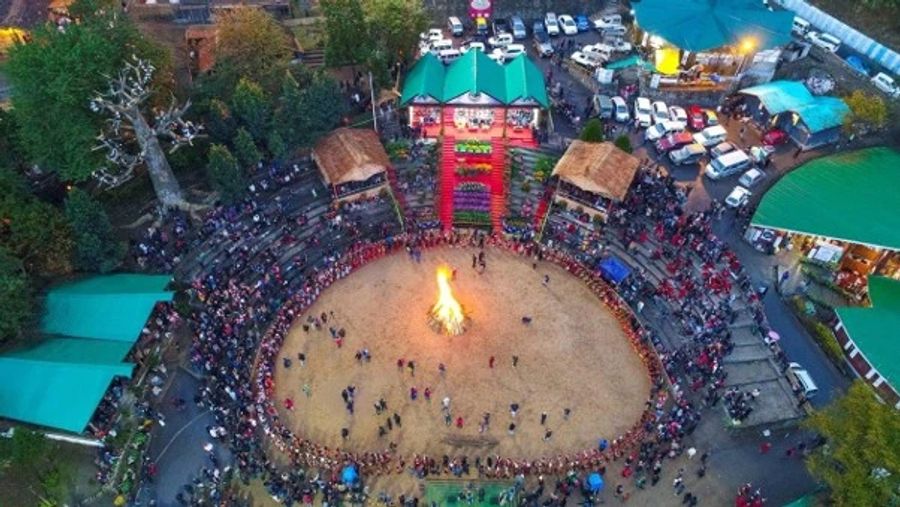
Rather than recreating history, the festival showcases traditions that continue to be practiced across different Naga communities. Each participating tribe occupies a traditional morung—a community house historically used for social gatherings, education, and cultural transmission. Visitors can walk through these morungs to observe tribal architecture, interact with artisans, watch cooking demonstrations, and learn about customs directly from community members.
The festival has become one of Northeast India's most significant cultural events, attracting travellers, researchers, photographers, students, and cultural enthusiasts from across India and abroad.
When and where is it held?
The answer to what is Hornbill Festival becomes even more meaningful when you experience it during its annual celebration. The Hornbill Festival is celebrated every year from December 1 to December 10 at Kisama Heritage Village, located approximately 12 kilometres from Kohima, Nagaland's capital city.
Kisama Heritage Village was purpose-built as a permanent cultural complex where all major Naga tribes could be represented in one location. The name "Kisama" combines the names of the neighbouring villages Kigwema and Phesama, whose land contributed to establishing the heritage site.
Understanding what is Hornbill Festival also means understanding its timing. The celebration coincides with the post-harvest season, traditionally a period of festivity among many Naga tribes. While individual tribal festivals continue to be celebrated in their respective villages, the Hornbill Festival serves as a collective platform where these diverse traditions can be be experienced together, making it one of the best opportunities to witness the cultural richness of Nagaland in a single destination.
If you are planning your visit, you can learn how to reach Hornbill Festival here or explore more about Nagaland tourism to plan your complete trip.
Why is it called the Hornbill Festival?
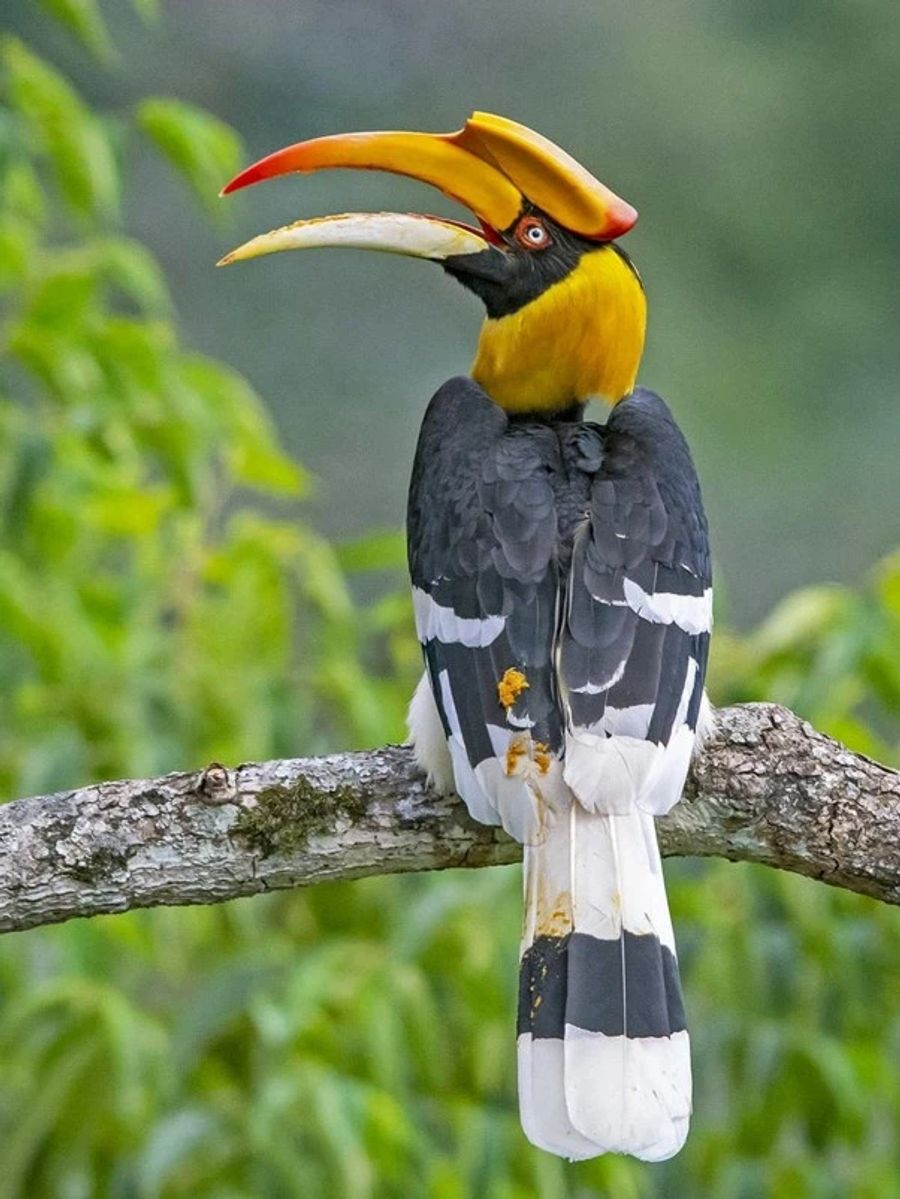
The festival is named after the Great Indian Hornbill, a bird that holds deep cultural significance across many Naga communities.
Historically, hornbill feathers featured prominently in ceremonial headgear worn during festivals and important social occasions. In Naga folklore and oral traditions, the hornbill symbolizes bravery, honour, wisdom, and community spirit. Because the bird is respected across multiple tribes, it was chosen as a unifying symbol when the festival was established.
Today, while wildlife conservation has replaced the traditional use of hornbill feathers in many contexts, the bird continues to represent the cultural identity and shared heritage of Nagaland.
Why was the Hornbill Festival started?
The Government of Nagaland launched the Hornbill Festival in 2000 with two primary objectives:
- To preserve and promote the state's rich tribal heritage.
- To encourage cultural tourism and create sustainable economic opportunities for local communities.
Rapid modernization and changing lifestyles had begun affecting traditional customs, languages, crafts, and performing arts. By bringing tribal communities together on a common platform, the festival created an opportunity for younger generations to reconnect with their heritage while allowing visitors to experience authentic Naga culture responsibly.
Today, the Hornbill Festival remains an important platform for cultural preservation, artisan livelihoods, and responsible tourism in Northeast India.
What happens at the Hornbill Festival?
The ten-day celebration offers a diverse programme that combines traditional heritage with contemporary cultural events.
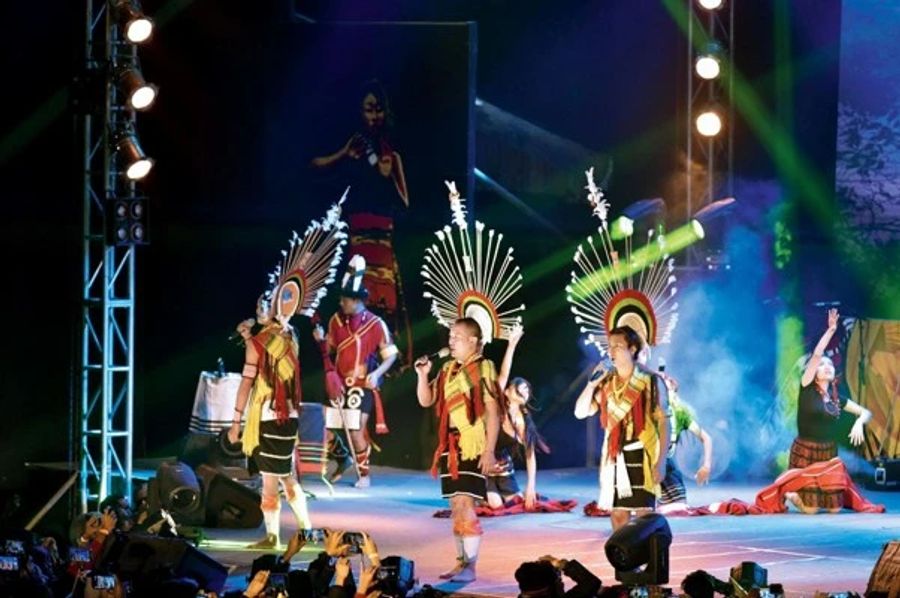
Every day begins with performances by different Naga tribes featuring traditional dances, ceremonial songs, warrior demonstrations, and indigenous musical instruments. Visitors can also watch:
- Traditional Naga wrestling
- Indigenous archery competitions
- Folk games
- Handicraft demonstrations
- Bamboo and wood carving exhibitions
- Traditional weaving displays
Food is another major attraction. Tribal morungs serve regional delicacies including smoked meats, bamboo shoot preparations, millet-based dishes, fermented foods, and locally grown produce. Seasonal food festivals introduce visitors to recipes that have been preserved for generations.
The evenings shift towards contemporary entertainment, with events such as the internationally known Hornbill International Rock Festival, cultural concerts, and live performances by musicians from India and abroad.
Which Naga tribes participate?
If you're wondering what is Hornbill Festival, one of the best ways to understand it is by exploring the remarkable diversity of Nagaland's tribal communities. The state officially recognizes 17 major tribes, each with its own language, traditional attire, customs, festivals, and architectural style.
During the Hornbill Festival, tribes such as the Angami, Ao, Chakhesang, Konyak, Lotha, Phom, Pochury, Rengma, Sangtam, Sumi, Yimkhiung, Zeliang, Chang, Khiamniungan, Kuki, and Kachari participate through cultural performances, folk dances, exhibitions, traditional food stalls, and handicraft displays.
Every morung (traditional Naga community house) reflects the identity and heritage of its respective tribe, allowing visitors to experience the customs, architecture, cuisine, and traditions of multiple Naga communities in one place. This unique gathering is one of the defining reasons what is Hornbill Festival is often answered as a celebration of Nagaland's extraordinary cultural diversity rather than just a single annual event.
What else can visitors experience?
Over the years, the Hornbill Festival has expanded beyond traditional performances while maintaining its cultural focus.
Visitors can explore:
- Heritage walks
- Indigenous food festivals
- Naga literature events
- Film screenings
- Photography exhibitions
- Fashion showcases featuring traditional textiles
- Adventure activities
- Mountain biking and motor rallies
- Local craft markets
The nearby villages surrounding Kisama also offer opportunities to experience authentic rural life, traditional hospitality, and locally guided cultural tours.
Why is the Hornbill Festival important?
Beyond tourism, the Hornbill Festival plays an important role in safeguarding Nagaland's intangible cultural heritage.
It provides a platform where traditional knowledge, music, storytelling, craftsmanship, and community practices can be documented, celebrated, and passed on to younger generations. For local artisans and performers, the festival also creates valuable economic opportunities through handicraft sales, cultural performances, and tourism-related businesses.
For visitors, the festival offers something increasingly rare—the opportunity to experience multiple living tribal cultures respectfully within a single destination while learning directly from the communities that preserve them.
How has the Hornbill Festival evolved?
Since its launch in 2000, the Hornbill Festival has evolved from a state-led cultural initiative into one of India's most celebrated heritage festivals. If you're still wondering what is Hornbill Festival, its evolution tells the story best. What began as an effort to preserve Naga traditions has grown into an internationally recognized celebration featuring traditional tribal performances alongside literature festivals, adventure activities, live music, and authentic culinary experiences.
Its growing popularity reflects increasing interest in experiential travel and indigenous cultures. At the same time, what is Hornbill Festival today goes far beyond tourism. It remains a powerful platform for cultural preservation, ensuring that Naga tribal communities continue to be the primary custodians and presenters of their own traditions, languages, crafts, and performing arts.
For anyone seeking to understand Nagaland beyond postcards and stereotypes, the Hornbill Festival offers one of the most authentic introductions to the state's history, remarkable tribal diversity, and living cultural heritage